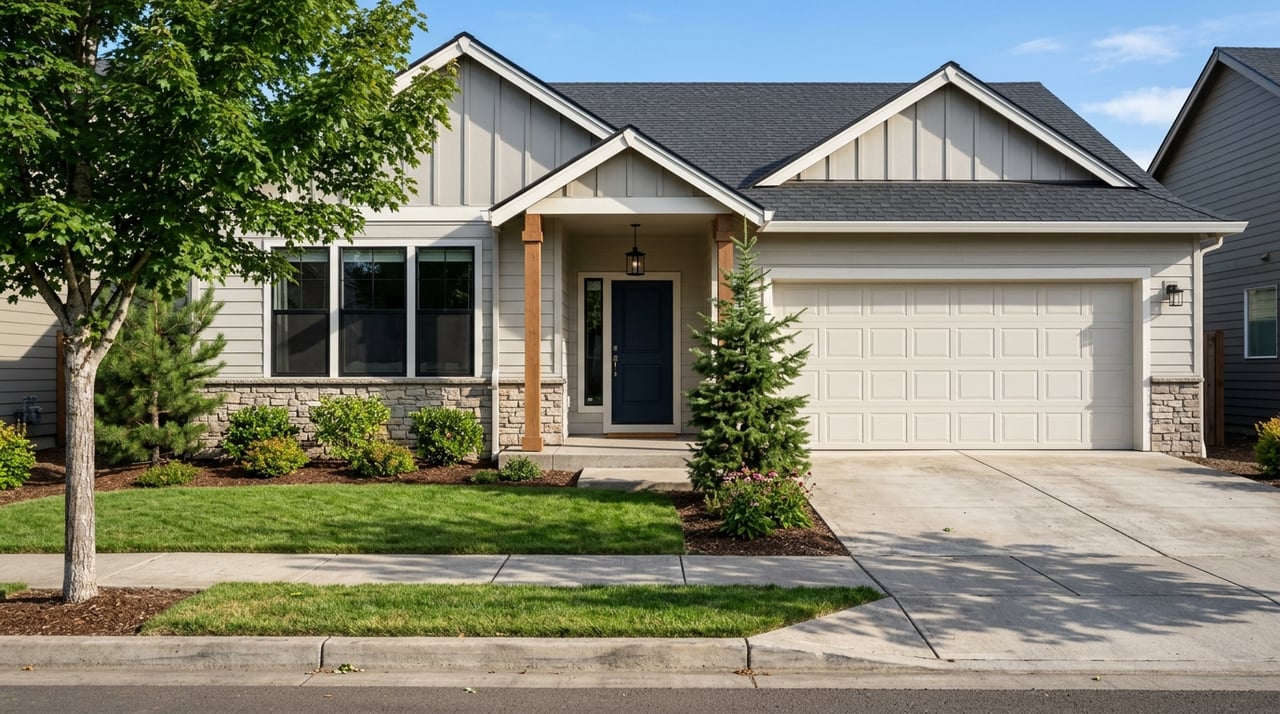
Thinking about trading gray skies and west-side housing costs for more space and a different pace of life? If you are relocating from Western Washington to Spokane, you are probably weighing more than just home prices. You want to know what your budget really buys, how daily life feels, and what surprises to expect once the move is real. This guide walks you through the biggest differences so you can plan your move with more confidence. Let’s dive in.
Why Spokane Appeals to West-Side Movers
For many buyers, the first big draw is affordability. According to the Bureau of Economic Analysis regional price parity data, Spokane-Spokane Valley sits at 101.0 while Seattle-Tacoma-Bellevue sits at 113.0. In practical terms, Spokane is still close to the national average, but it is materially less expensive than the Seattle metro.
Housing data shows that gap even more clearly. The U.S. Census QuickFacts data for Spokane lists a median owner-occupied home value of $363,500 in Spokane city, compared with $479,600 in Tacoma and $938,600 in Seattle. Median monthly owner costs with a mortgage also run much lower in Spokane city at $1,753 versus $2,303 in Tacoma and $3,505 in Seattle.
That difference often means your budget can stretch further in Spokane. Depending on your price point, you may be able to target more square footage, a larger yard, or newer construction than you could on the west side. If your goal is to improve your day-to-day lifestyle without leaving Washington, Spokane often ends up on the short list for good reason.
What Your Budget Buys in Spokane
If you are coming from Seattle, Tacoma, or nearby western markets, Spokane pricing can feel like a reset. The latest Spokane REALTORS market report shows a median closed sale price of $406,048 for site-built homes and condos. The same report shows a resale median of $395,000, a new-construction median of $489,973, and a median of $682,000 for homes on 1 to 5 acres.
A simple way to think about Spokane price bands today looks like this:
- Mid-$300,000s to low-$400,000s for many entry-level resale options
- High-$400,000s for many newer construction opportunities
- Mid-$600,000s and up for larger lots or acreage-style living
That does not mean every home fits neatly into those ranges, but it gives you a realistic starting point. If you are selling in Western Washington and bringing equity with you, you may have more flexibility here than you expect.
Spokane Valley also deserves a look if you want another comparison point. Census data for Spokane Valley shows a median owner-occupied value of $382,300, which is still well below Tacoma and Seattle. For many relocation buyers, the question is not just whether Spokane is cheaper. It is whether Spokane lets you buy a home that better matches how you actually want to live.
Spokane Weather Feels Different
One of the biggest lifestyle shifts is the weather. Spokane has a more seasonal inland climate than Western Washington’s milder marine pattern. The City of Spokane geography page notes that the area gets four distinct seasons, about 16.5 inches of annual precipitation, around 48 inches of winter snow, and summer highs in the 80 to 90 degree range.
That is a very different profile from the west side. NOAA climate normals show Seattle-Tacoma International Airport averaging 39.34 inches of annual precipitation and 6.3 inches of annual snowfall, while Spokane Felts Field averages 17.36 inches of annual precipitation. In short, Spokane is usually drier overall, but snow is a much more normal part of winter.
That does not mean nonstop deep snow. NOAA’s Spokane station history notes that the city can get several inches of snowfall, while sub-zero temperatures and traffic-stopping snowfalls are infrequent. If you are picturing constant blizzard conditions, that picture is usually more dramatic than reality.
Winter Driving and Snow Upkeep
If you are moving from Western Washington, winter driving is one of the smartest topics to think through before you buy. Spokane’s snow season generally runs from Nov. 15 to Mar. 15, and the city says snowfalls of four inches or more can trigger full-city plow operations. That matters when you are comparing homes in different parts of the metro.
When you tour homes, pay attention to features that affect winter life, such as:
- Driveway slope
- Garage size and access
- Sidewalk and walkway exposure
- Street parking setup
- Commute routes during snow events
These details may seem minor during a sunny showing, but they can shape your daily routine in January. A home that feels perfect in July may ask more of you in winter if the driveway is steep or parking is limited.
Commute Expectations in Spokane
Many west-side movers are pleasantly surprised by Spokane commute times. The Census QuickFacts data shows mean travel time to work at 20.6 minutes in Spokane city, 20.8 minutes in Spokane Valley, and 22.6 minutes in Spokane County. Compare that with 28.8 minutes in Tacoma and 26.0 minutes in Seattle.
That does not mean every drive is effortless, but it does change how many buyers think about location. In Spokane, the best area for you may depend less on a single downtown destination and more on your overall weekly routine. Freeway access, errands, work trips, activities, and winter driving conditions can all matter as much as raw distance.
Spokane is also less dense than Seattle or Tacoma. The same Census source shows 3,330 people per square mile in Spokane city, compared with 4,412 in Tacoma and 8,792 in Seattle. That lower density helps explain why many newcomers experience Spokane as more car-oriented and more spread out.
How To Choose the Right Area
If your move is commute-focused, start by mapping your real habits, not just your office address. Think about where you work, where you shop, how often you need freeway access, and how much winter road time you want in your week. This is often more useful than searching broadly by price alone.
As you compare areas in Spokane and Spokane Valley, ask practical questions like:
- How quickly can you reach major roads?
- What does the drive feel like in winter?
- How far are your most common errands?
- Do you want a more central in-town location or a more spread-out suburban feel?
This kind of planning helps narrow the search faster. It also keeps you from falling in love with a home that works on paper but adds friction to everyday life.
How Fast Homes Move
Relocating buyers often worry they will need to make a rushed decision from across the state. Spokane’s current market offers some breathing room, but strong homes can still move quickly. The January 2026 Spokane REALTORS report shows 1,080 active listings and 3.7 months of supply.
Another useful reference point comes from Zillow’s Spokane home value snapshot, which reports an average home value of $389,884, a median sale price of $374,150, and homes going pending in about 44 days. The same source shows Seattle with a median sale price of $787,858 and homes going pending in 31 days. That suggests Spokane buyers may have a bit more planning room than buyers in Seattle, even though the most appealing homes can still attract fast interest.
For you, the takeaway is simple: you probably do not need to panic, but you do need a plan. Clear financing, a tight search strategy, and a focused visit can help you move decisively when the right fit appears.
A Smart Relocation Timeline
For many buyers relocating from Western Washington, the most workable sequence looks like this:
- Get financing lined up first. Know your budget, monthly comfort zone, and timing before you start touring seriously.
- Narrow homes remotely. Use online listings and virtual tours to eliminate options that do not fit your goals.
- Plan one focused scouting trip. Visit finalist homes and compare areas in person once you have a strong short list.
In most cases, a scouting trip of two to three days is enough if the prep work is solid. That gives you time to tour homes, drive likely routes, and experience a few different parts of Spokane without dragging the process out.
Remote tours are especially useful early in the search. They can help you rule out homes with layout issues, busy road exposure, or features that simply do not match your needs. Then your in-person trip can focus on the homes and locations that truly deserve your attention.
What To Remember Before You Move
The move from Western Washington to Spokane is not just about finding a cheaper house. It is about choosing a different daily experience. You are trading a wetter, milder climate for a drier, more seasonal one, and you are often gaining more purchasing power in the process.
For many buyers, that trade feels worth it. Shorter average commutes, lower housing costs than Seattle or Tacoma, and a wider range of price points can open doors that felt out of reach on the west side. The key is to match your budget, your lifestyle, and your tolerance for winter conditions before you commit.
If you want guidance from someone who knows Spokane at the neighborhood level and understands the logistics of a regional move, Katie McDaris Marks can help you build a relocation plan that fits your goals.
FAQs
How much more home can you buy in Spokane than in Western Washington?
- Spokane home values and monthly ownership costs are generally lower than Seattle and Tacoma, which often means your budget can go further on size, lot space, or newer construction.
How different is Spokane weather from Western Washington weather?
- Spokane is usually drier overall, has more distinct seasons, gets more snow in winter, and often sees hotter summer temperatures than Western Washington.
What should you look for in a Spokane home if you are worried about winter?
- Pay close attention to driveway slope, garage access, street parking, snow removal needs, and the routes you would drive most often during snow season.
How long should a Spokane scouting trip last for relocation buyers?
- A two- to three-day scouting trip is often enough when you have already narrowed your options remotely and are using the trip to verify neighborhoods and finalist homes in person.
How fast do homes sell in Spokane for buyers relocating from Western Washington?
- Current data suggests homes in Spokane may take longer to go pending than in Seattle, but desirable homes can still move quickly, so it helps to have financing and a clear plan in place.