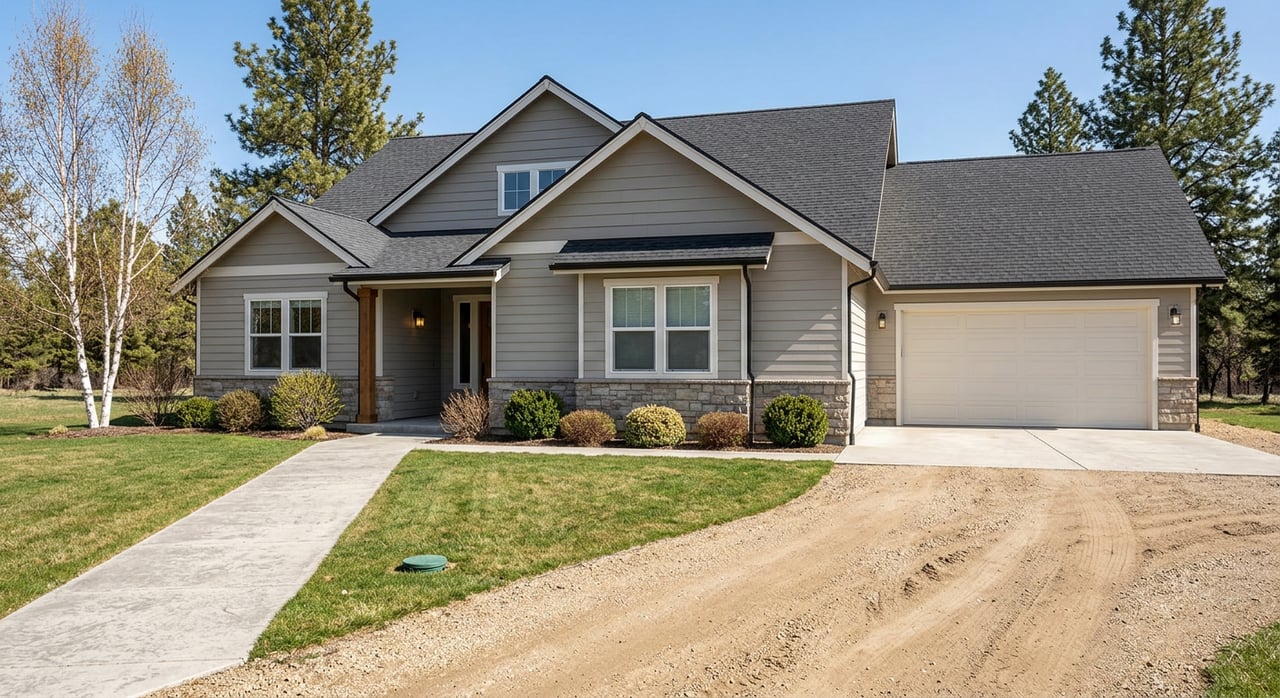
Shopping for acreage in North Spokane and seeing “private well” and “septic” on the listing? You are not alone, and you are smart to slow down and learn the basics. These systems work well when maintained, but they do shift how you inspect, test, and plan for future costs.
In this guide, you will learn how septic systems and private wells work in Spokane County, which records to pull, what to test, realistic cost ranges, and the 2027 rule that will affect closings. You will also get a simple checklist you can use while touring properties. Let’s dive in.
Septic basics in North Spokane
Most rural-feel homes in North Spokane County rely on on-site sewage systems. A typical setup moves wastewater from your home to a septic tank, then out to a soil treatment area or drainfield. System types vary, and each type has different inspection needs.
Spokane Regional Health District (SRHD) oversees local permitting, installation inspections, and ongoing operation permits for septic systems. SRHD also sets inspection frequency. Conventional gravity systems must be inspected every three years, while alternative systems are inspected yearly, and beginning February 1, 2027, a septic inspection by an approved O&M provider will be required before property transfer or sale. You can review local rules and forms on the SRHD septic operations and maintenance page at their site: SRHD On-Site Septic O&M.
For routine care, national guidance suggests tanks are often pumped on a 3 to 5 year cycle, depending on household size and use. Proper siting and regular maintenance help protect your drainfield’s life. For background, see the EPA’s onsite wastewater manual, which explains inspection and pump-out best practices: EPA Onsite Wastewater Treatment Systems Manual.
Private well essentials
A private well is your water source, so you must confirm both quantity and quality.
- Construction and records. The Washington State Department of Ecology keeps well reports (often called well logs) that list drilling details, casing depth, and reported yield. Before you write an offer, pull nearby logs and look for your parcel’s record using the state’s tool: Ecology Well Report Gateway.
- Water testing. Once a well is in use, owners are responsible for testing and treatment. The Washington State Department of Health (DOH) recommends at least annual testing for total coliform bacteria and nitrate, with additional analytes based on local risk. In Spokane County, some wells have shown elevated arsenic or uranium, and some areas have seen PFAS detections. Ask your sampler or lab about an appropriate panel. Read DOH guidance here: DOH Testing Your Water.
- Pump tests and certified samplers. If you are buying, plan a pump or flow test to confirm capacity for your intended use. SRHD provides water adequacy review guidance, pump test certification forms, and certifies samplers for official water quality results. Learn more: SRHD Private Wells.
Records and the 2027 property transfer rule
Getting records early cuts risk and keeps your timeline smooth.
- Septic records. Ask the seller for SRHD permit history, the as-built drawing, operation and maintenance records, and any pump-out receipts for the last few years. If records are missing, make a full septic inspection a contingency.
- Well logs and abandonment. Use the Ecology Well Report Gateway to look up the existing well’s log and nearby wells. Ask whether any old wells on the parcel were properly decommissioned.
- New requirement for closings. Starting February 1, 2027, Washington will require a septic inspection by an SRHD-approved O&M provider before property transfer or sale. Plan this into your offer timeline, especially in tight markets.
Two-track due diligence to run
Think of your inspection period as two parallel tracks. Running both gives you leverage and peace of mind.
- Track 1: Septic health. Confirm records, permit status, system type, and a current inspection by a qualified provider. If it is an alternative system, review service contracts and recent O&M reports.
- Track 2: Well quantity and quality. Order a pump or flow test to verify supply for household use and any planned irrigation. Have a certified sampler collect water for a baseline lab panel. Start with total coliform and nitrate, then add arsenic, uranium, or PFAS if location or neighbor results suggest it.
What to include in your offer
Washington law requires sellers to deliver the Seller Property Disclosure Statement (Form 17) that covers private water and sewage systems. Confirm receipt and review it closely: RCW 64.06.020.
Consider these targeted contingencies and document requests:
- Septic records and O&M. Require the seller to provide SRHD permit and as-built records, O&M history, and pump-out receipts for the last 3 to 5 years.
- Septic inspection. Order a full evaluation by a licensed septic inspector or SRHD-approved provider. For alternative systems, review any active service contract. Include repair-or-credit language with clear deadlines.
- Well quantity. Require a pump or flow test and set a minimum acceptable flow in gallons per minute for your needs. Attach any required certification forms if the well will serve new construction.
- Water quality. Require samples taken by a certified sampler and analysis by an accredited lab. Start with total coliform and nitrate, then add arsenic, uranium, or PFAS if indicated by local geology or nearby results.
- Shared sources and water limits. If the well is shared, ask for the recorded easement and maintenance agreement. If the parcel is in the Little Spokane watershed (WRIA 55), review Spokane County’s mitigation program for water use planning: Little Spokane River Water Bank.
- Abandoned wells. Ask for proof of proper decommissioning of any old wells on site.
- Deadlines and remedies. Set dates for tests and inspections, specify who pays for re-tests and repairs, and include options for repairs by seller, credits, escrow holdbacks, or the buyer’s right to terminate if results are not acceptable.
Realistic costs and timelines
Every property is different. Soil, slope, access, and well depth drive costs and timing. Always get at least two local quotes and confirm current fees.
- Septic tank pumping. Regional data shows typical Spokane-area pump-outs in the range of about 396 to 520 dollars, with wider variation based on tank size and access. Get a site-specific quote: Spokane Septic Pumping Costs.
- Septic inspection. Visual and functional inspections in the region commonly run about 300 to 600 dollars, with added fees for camera work or dye testing. See a regional summary: Spokane Septic Service Costs.
- New system or drainfield replacement. Reported Spokane-area installation averages often fall in the low to mid thousands for conventional systems, with many projects quoted around 4,500 to 6,500 dollars. Engineered or complex sites can be higher. Permitting, design, and installation can take weeks to months, depending on season and scope. For context, review: Spokane Septic Tank Installation Costs.
- Well water lab testing. Basic bacteria and nitrate panels are usually modest in price, but expanded panels for metals and PFAS add cost. Budget roughly 50 to 400 dollars depending on the panel and lab. Confirm current local lab pricing and sampler fees in advance. See test guidance: DOH Testing Your Water.
Local pitfalls to watch
- Missing septic as-builts or no SRHD O&M history, especially for alternative systems.
- Low well yield or intermittent flow that may not meet your future needs for irrigation or additions.
- Water quality concerns in parts of Spokane County where arsenic, uranium, or PFAS have been detected. Tailor your test panel to the location and any neighbor results.
- Holding tanks instead of drainfields, which can increase ongoing pump-out costs and have specific permit rules.
- Shared wells without clear, recorded agreements on easements, usage, and cost sharing.
Quick buyer checklist
- Ask the seller for SRHD septic permit records, the as-built drawing, O&M logs, and pump-out receipts.
- Schedule a licensed septic inspection and confirm the correct inspection interval for the system type.
- Pull well logs from Ecology’s Well Report Gateway and plan a pump or flow test.
- Use a certified sampler for water testing. Start with total coliform and nitrate, then add arsenic, uranium, or PFAS if location suggests it.
- Verify any shared-well agreements, recorded easements, and, if in WRIA 55, any mitigation certificate details.
- Write clear contingency deadlines and repair-or-credit terms into your offer.
Next steps
Buying a home on septic and a private well can be a great move when you know what to check. If you want a local plan for records, inspections, tests, and timelines, let’s talk. Schedule a friendly consult with Katie McDaris Marks to map your due diligence and next steps in North Spokane County.
FAQs
How often should a septic system be inspected in Spokane County?
- Conventional gravity systems are typically inspected every three years, while alternative or mechanical systems are inspected annually, per SRHD guidance.
What water tests should I order for a North Spokane private well?
- Start with total coliform bacteria and nitrate each year, then add arsenic, uranium, or PFAS if your location or neighbor results suggest risk, following DOH guidance.
What changes on February 1, 2027 for septic when selling a home?
- A septic inspection by an approved operations and maintenance provider will be required before property transfer or sale, so plan this into your closing timeline.
How do I check a property’s well yield and history?
- Pull the well log from the state’s well report viewer to see construction and reported yield, then order a pump or flow test during your inspection period to confirm actual performance.
What is the Little Spokane River Water Bank and why might it matter?
- In parts of WRIA 55, the county’s mitigation program can affect water availability for new uses or irrigation. Check whether a mitigation certificate applies to your parcel and plans.