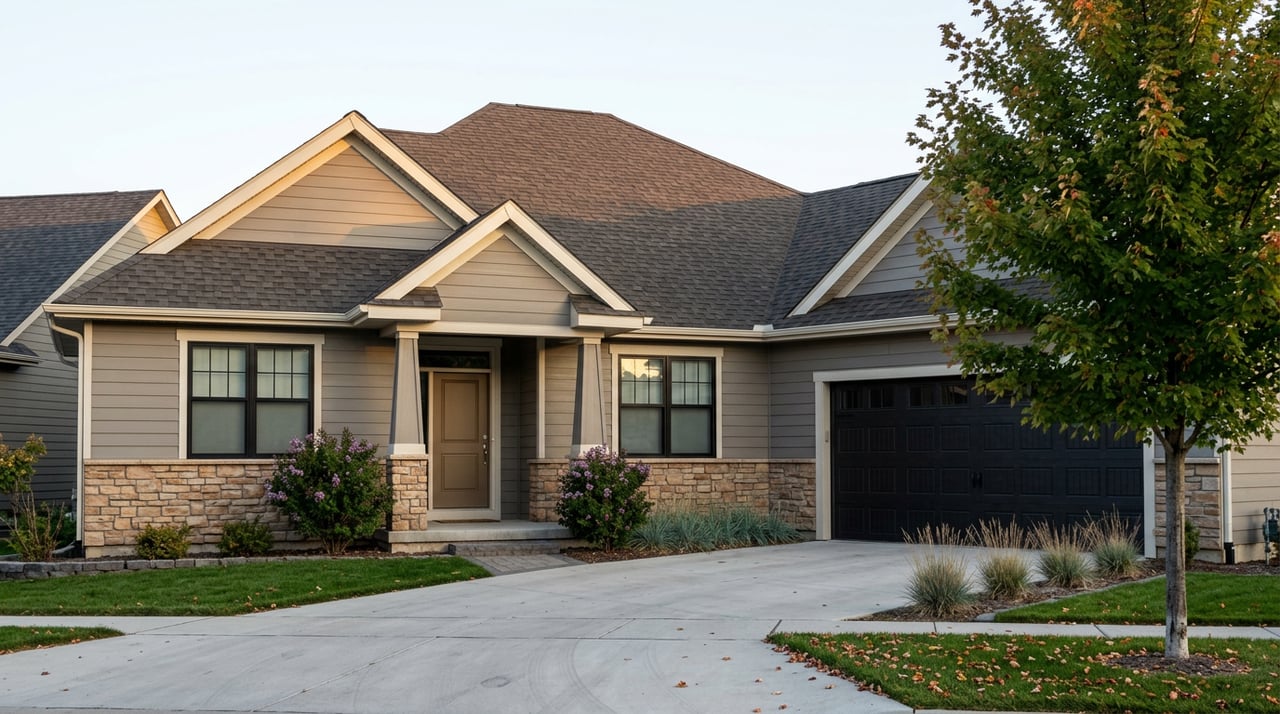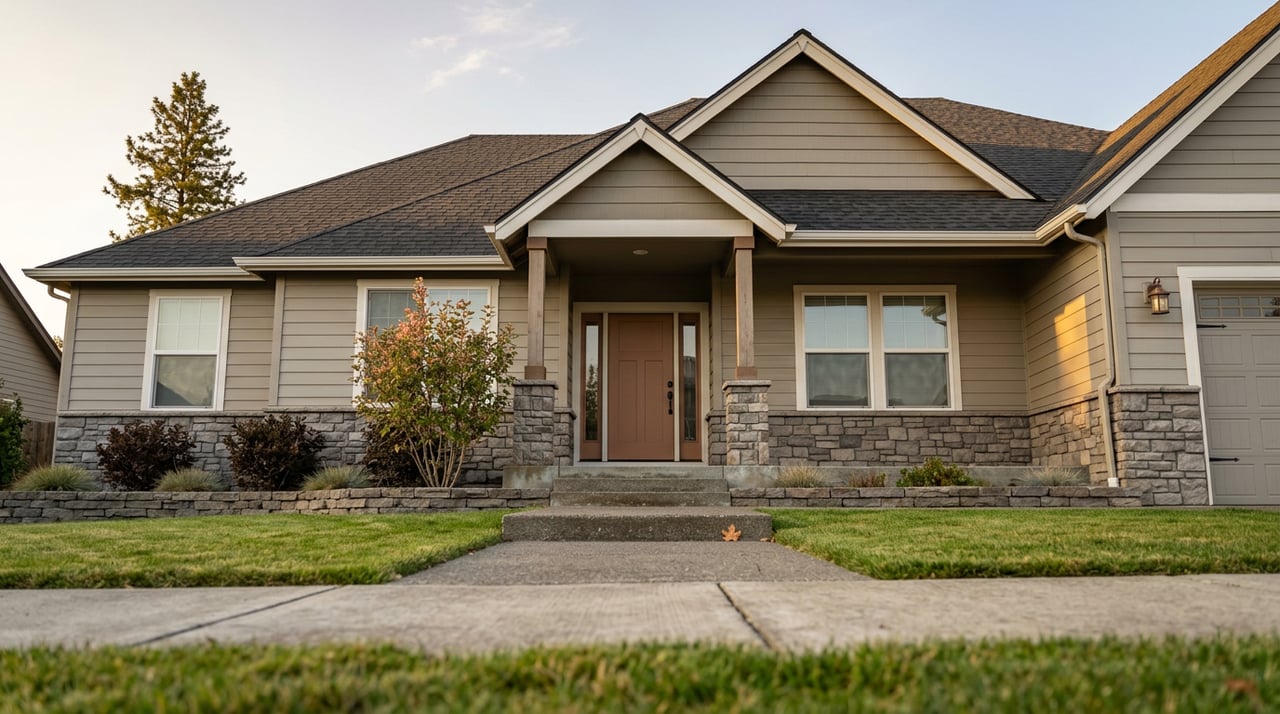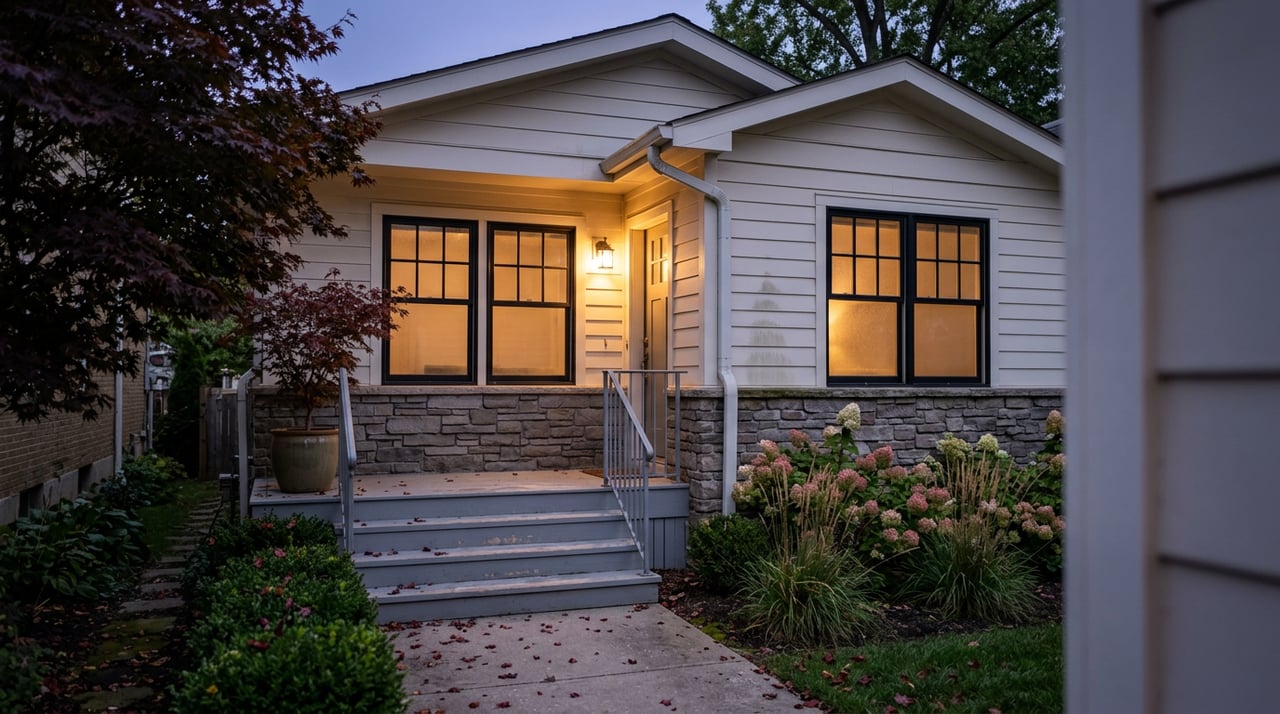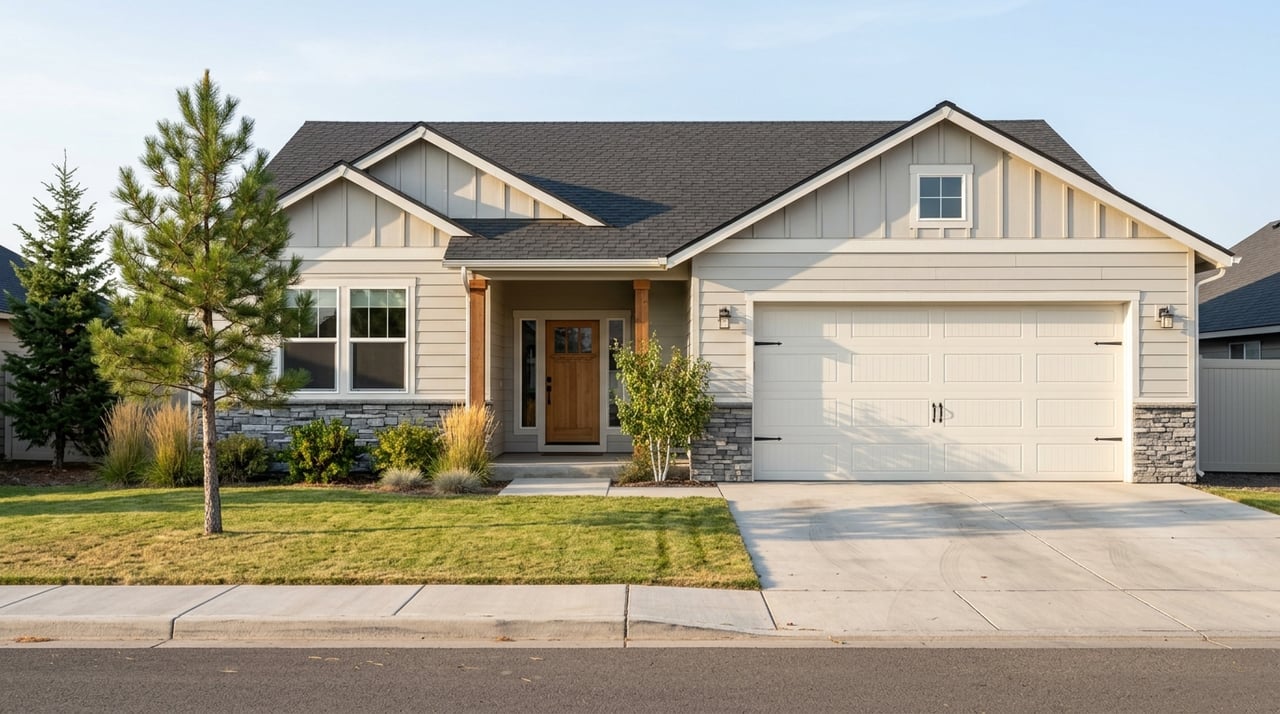
If you are torn between a home in Rathdrum and a property with land just outside town, you are not alone. A lot of buyers love Rathdrum’s convenience but also picture the extra space and privacy that acreage can bring. The good news is that both options can work well, depending on how you want to live day to day. Let’s break down the real tradeoffs so you can make a confident decision.
Why this choice matters in Rathdrum
Rathdrum is not standing still. Census estimates show the city at 12,626 residents in 2024 and 13,227 in 2025, which reflects major growth since 2020. As the area changes, the difference between living in town and living on nearby acreage becomes even more important for buyers to understand.
Rathdrum also sits in a practical location for regional travel. The city lists I-90 about 7 miles south, US-95 about 5 miles east, Coeur d’Alene about 14 miles away, and Spokane about 32 miles away. That access helps explain why many buyers see Rathdrum as a strong fit for both local living and cross-border commuting.
The city is also updating its comprehensive plan through 2026. That matters because land use, transportation, housing, and future growth are active local issues. If you are choosing between city living and county acreage, it is smart to think not just about today, but also about what the area may look like in the coming years.
What in-town Rathdrum living looks like
Living in town usually means a more connected, utility-ready setup. Rathdrum provides water and sewer collection utilities to its citizens, which can simplify ownership compared with properties that rely on private systems. For many buyers, that alone removes a major layer of maintenance and uncertainty.
The city also notes fiber rings around Rathdrum, with connectivity depending on the property location. That does not mean every home has the same service, but it does suggest that many in-town parcels may feel more ready for modern daily needs. If you work from home or simply want easier utility planning, this can be a meaningful plus.
Rathdrum also publishes zoning, future land use, and sidewalks and pathways maps. In practical terms, that points to a more city-managed environment with planned connections and public infrastructure. If you like having systems and services that are easier to track, in-town living may feel more predictable.
For many households, in-town life also makes routines simpler. Schools, local roads, and everyday errands tend to be closer together. Lakeland Joint School District 272 is headquartered in Rathdrum, and the district has multiple schools in Rathdrum itself, which can matter if you want to keep daily driving more streamlined.
What nearby acreage usually offers
Acreage outside Rathdrum often appeals to buyers who want more room to spread out. Kootenai County zoning helps paint the picture. The Agricultural Suburban zone has a 2-acre minimum lot size and is intended for residential and small-scale agricultural uses, while the Rural zone has a 5-acre minimum lot size and is intended for rural residential uses and agricultural pursuits such as farming and forestry.
That larger-lot setup can create a very different feel from in-town neighborhoods. You may have more distance from neighbors, more flexibility for gardens, animals, or outbuildings, and more of a rural atmosphere. For some buyers, that extra breathing room is the whole point.
At the same time, acreage often comes with more self-managed systems. If a property is not connected to municipal sewer, Panhandle Health District requires permits for subsurface sewage disposal systems in Idaho. Septic approval depends on factors like soil, groundwater, setbacks, nearby wells or springs, surface water, and the intended land use.
Water can also require more due diligence. If a property uses a private well, the Idaho Department of Water Resources says a drilling permit is required before drilling, and the well must be built by a licensed well driller. That is not necessarily a drawback, but it does mean acreage buyers should expect more property-specific investigation.
The lifestyle tradeoffs to think through
The right choice often comes down to how you want your days to feel. In-town Rathdrum tends to fit buyers who want convenience, city services, and a more suburban rhythm. Nearby acreage tends to fit buyers who want more land, a more rural feel, and greater responsibility for the systems that keep the property running.
Commute planning is part of that decision too. Census data show a mean commute-to-work time of 24.9 minutes for Rathdrum residents, but daily travel is about more than mileage. Idaho Transportation Department is actively studying mobility and congestion on I-90, SH-41, SH-53, and US-95, which shows how much traffic patterns can shape your routine.
If you need to get to Spokane, Coeur d’Alene, or other work hubs regularly, those details matter. A home that looks close on a map may still affect your day differently depending on road access and traffic flow. That is why it helps to think through your most common drives, not just the property itself.
Utilities and maintenance are a big divider
One of the clearest differences between in-town living and acreage is what you are responsible for maintaining. In town, your budget often leans more toward standard home upkeep and municipal utilities. On acreage, more of your planning may shift toward well, septic, and system maintenance.
That can affect both your monthly routine and your long-term costs. Panhandle Health District notes that maintaining a septic system helps save money, protect property value, and protect the environment. In other words, acreage living may offer more freedom, but it usually asks for more hands-on ownership too.
Trash service can differ as well. Kootenai County operates 12 rural residential refuse sites for areas without private collection or other local disposal options. If you are used to city pickup, that is one more practical difference to keep in mind when comparing homes.
Why local water protection matters
In this area, water is not just a background issue. The Spokane Valley-Rathdrum Prairie Aquifer supplies drinking water to more than half a million people in Spokane and Kootenai counties. Panhandle Health District describes it as an unconfined sole-source aquifer, which helps explain why groundwater protection is taken seriously in local planning and permitting.
That matters especially when you are considering acreage with private systems. Septic design, well placement, and land use are not just personal property decisions. They connect to a much bigger local water resource that supports the region.
Questions to ask before you choose
Before you decide between in-town Rathdrum living and nearby acreage, make sure you confirm the basics. A little early homework can save you from big surprises later.
Here are a few smart questions to ask:
- Is the property inside Rathdrum city limits or under county zoning?
- What is the water source: municipal service or private well?
- What is the sewer setup: city connection or septic system?
- If it is septic, what permits, records, or approvals are available?
- How is trash handled at the property?
- Are there future growth, land use, or annexation issues to review?
- How will your most common commute routes actually feel during the week?
Because Rathdrum is growing and updating its long-range planning, these details are especially important right now. The best property for you is not just about price or lot size. It is about choosing the setup that fits your routine, comfort level, and long-term goals.
Which option fits you best?
If you want easier errands, city utilities, and a more connected daily pattern, in-town Rathdrum may be the better fit. If you want more space, more privacy, and room for a more self-directed property lifestyle, nearby acreage may make more sense. Neither choice is automatically better. It depends on what kind of ownership experience you want.
That is where local guidance can make a real difference. When you are comparing homes across city and county lines, the details behind zoning, utilities, and daily logistics matter just as much as square footage. If you want help weighing your options in Rathdrum or nearby North Idaho communities, connect with Katie McDaris Marks for thoughtful, local guidance.
FAQs
What is the main difference between in-town Rathdrum living and nearby acreage?
- In-town Rathdrum usually offers city utilities, closer daily destinations, and a more connected suburban setup, while nearby acreage usually offers more land, a more rural feel, and more self-managed systems like wells or septic.
What should you check about a Rathdrum-area acreage property before buying?
- You should verify county zoning, lot size requirements, water source, sewer or septic details, permit history, refuse options, and any future growth or annexation considerations.
Does in-town Rathdrum usually have city water and sewer?
- Rathdrum says it provides water and sewer collection utilities to its citizens, so many in-town homes can avoid the added complexity of private septic systems.
What zoning often applies to acreage near Rathdrum?
- Kootenai County’s Agricultural Suburban zone has a 2-acre minimum lot size, and its Rural zone has a 5-acre minimum lot size, with uses tied to rural residential and agricultural activities.
Why do wells and septic matter when buying acreage near Rathdrum?
- Private systems can require more due diligence because septic permits depend on site conditions and land use, and private wells require permitting and licensed drilling under Idaho rules.
How does commuting from Rathdrum compare with living on acreage nearby?
- Commute time depends on more than distance because traffic patterns on roads like I-90, SH-41, SH-53, and US-95 can affect how easy or difficult your daily drive feels.
Why is groundwater protection important around Rathdrum properties?
- The Spokane Valley-Rathdrum Prairie Aquifer is a major regional drinking water source, so local permitting and property systems are shaped by the need to protect groundwater quality.