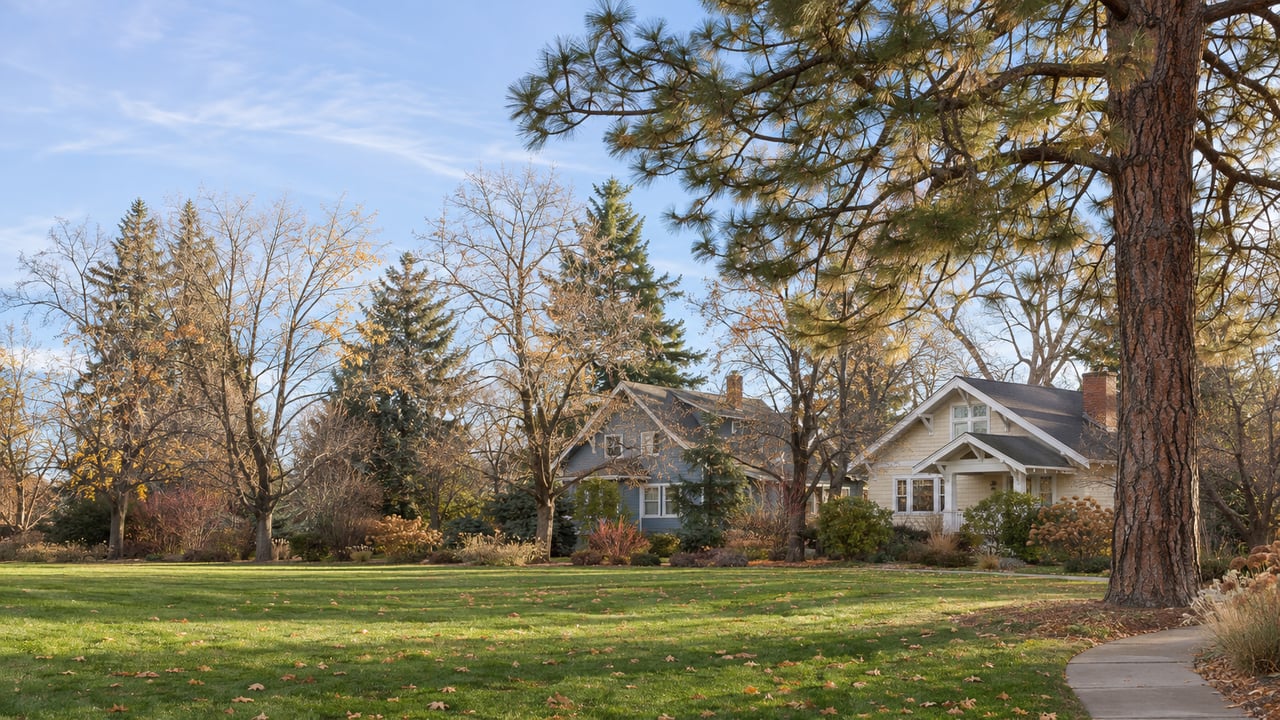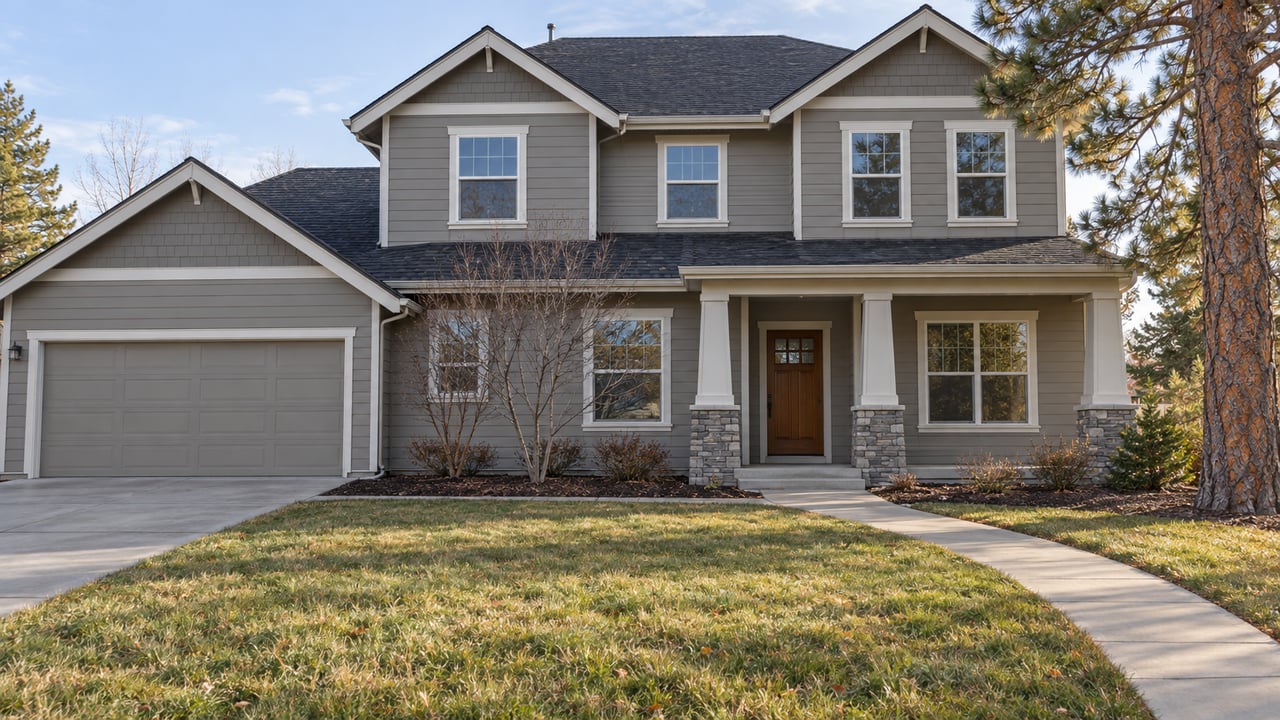
Idaho's homeowner's exemption changed in 2026. A rule passed in 2025 would have prorated the exemption by the number of days an owner qualified; the Legislature changed course this spring.
The year the rule changed twice
Idaho's homeowner's exemption takes 50% of the assessed value of an owner-occupied primary residence and up to one acre of land off the taxable roll, with a cap of $125,000. That part has stayed the same since 2021. What changed in 2026 is how the exemption is applied when a home qualifies partway through the year.
| Law | When it took effect | What it did for a home that qualified mid-year |
|---|---|---|
| 2025 House Bill 354 | January 1, 2026 | Set a statewide formula that applied the exemption by the number of days the owner qualified, divided by 365 or 366 |
| 2026 House Bill 843 | Signed March 31, 2026, retroactive to January 1, 2026 | Removed proration |
The Statement of Purpose for HB 843 explains why lawmakers changed course: the day-by-day proration "has been inconsistently applied and has been difficult to administer in practice." The bill passed the House 68-0 and the Senate 32-0. Its fiscal note expects a small increase in exempted value "in cases where a homeowner becomes eligible for the exemption during the tax year and would otherwise have received only a prorated exemption."
The Idaho State Tax Commission's April 7, 2026 guidance memo to county assessors spells out the mechanics:
"There is to be no proration of the exemption, regardless of when the application is filed during the calendar year."
The current text of Idaho Code 63-602G says it directly: "The exemption allowed by this section shall not be prorated."
New builds and the tax calendar
At its October 28, 2026 meeting, the Rathdrum City Council approved the Westwood Pines 3rd Addition final plat and accepted public infrastructure for Westwood Pines 3rd, Thayer Farms West 1st and Trossicks 1st Additions. Two weeks earlier, the council approved the Notice of Reasoned Decision for the Selkirk preliminary long plat and planned unit development.
Idaho values property as of January 1. Idaho Code 63-317 addresses an occupancy tax for a home completed after that date. Kootenai County's tax-cycle calendar sets the order of events:
- Regular tax bills go out on the fourth Monday in November, which this year is November 23.
- Supplemental and occupancy notices for the prior year go out on the first Monday of January.
- Occupancy tax bills for the prior year arrive in mid-February.
In the county's own worked example, a $235,000 home first occupied in July is prorated to $97,916 of value for the rest of that year, and that prorated value is what the levy rate is applied to. A new build can produce its own tax bill months after closing, separate from the December statement.
Kootenai County's Assessor's Office
Kootenai County's homeowner's exemption flyer, revised February 5, 2026, lists the Assessor's Office at 451 N Government Way in Coeur d'Alene as the place to apply.
Everything here is general information about how Idaho and Kootenai County handle the exemption. It isn't legal or tax advice, so confirm your own situation with the Assessor's Office at (208) 446-1500 or a tax professional.
As a broker licensed in both Washington and Idaho, Katie McDaris helps Spokane families with the Idaho side of a move. Schedule a consultation.